

The Middle Path ~ Voices of the Collective
Stop Treating Your Needs Like They’re Optional
Any get-help-quick site or Reddit thread will tell you the same thing:
Burnt out? Do these 7 things to get your life back on track.
More often than not, it’s a regurgitation of the same few tips.
Get plenty of sleep! Prioritize your self-care! Say NO! Meditate. Workout. Just don’t, duh.
Don’t get me wrong. These are all great interventions for managing the symptoms of burnout, but they aren’t necessarily addressing the fundamental issues that get us here in the first place.
You can’t meditate your way out of being chronically overworked.

Burnout in Healthcare Part 2: Why Self-Care Isn't Enough
Part 2 of Burnout and Healthcare
In my last blog, I talked about burnout in healthcare and why self-care alone isn’t enough to fix it. Vacations, workouts, massages, and time away can absolutely help, but they don’t change what you’re walking back into when you return to work.
I also talked about boundaries and how important they are in protecting ourselves from burnout. But before we can know what boundaries we need, we have to understand what is actually draining us.
That starts with getting curious.
Burnout in Healthcare Part 1: Why Self-Care Isn't Enough
Burnout and healthcare seem to go hand in hand. If you work in healthcare, you've probably heard the same message over and over: Prevent burnout by practicing self-care.
While vacations, workouts, and massages are absolutely helpful, they're often a Band-Aid solution to a much deeper issue.

How to Manage Athlete Mental Health During the Off-Season
For many athletes, the off-season is a welcome opportunity to relax and decompress. It's a chance to step away from practices, competitions, and the constant demands of training.
For others, it's much more complicated…
Managing this downtime is just as important as preparing for the season itself. Taking care of your mental health during the off-season helps you return to competition feeling healthier, more balanced, and ready to perform your best.
During the off-season, try these tips to make your break both enjoyable and effective.

Resilience in the Messy Middle of Motherhood: Why Asking for Help Is the Ultimate Superpower
I immediately think how moms are the most resilient people to exist in the world. If you are looking to hire a crew of people you know will get the job done, look no further than your local playgrounds and splashpads, for there you will find an entire group of Wonder Women.
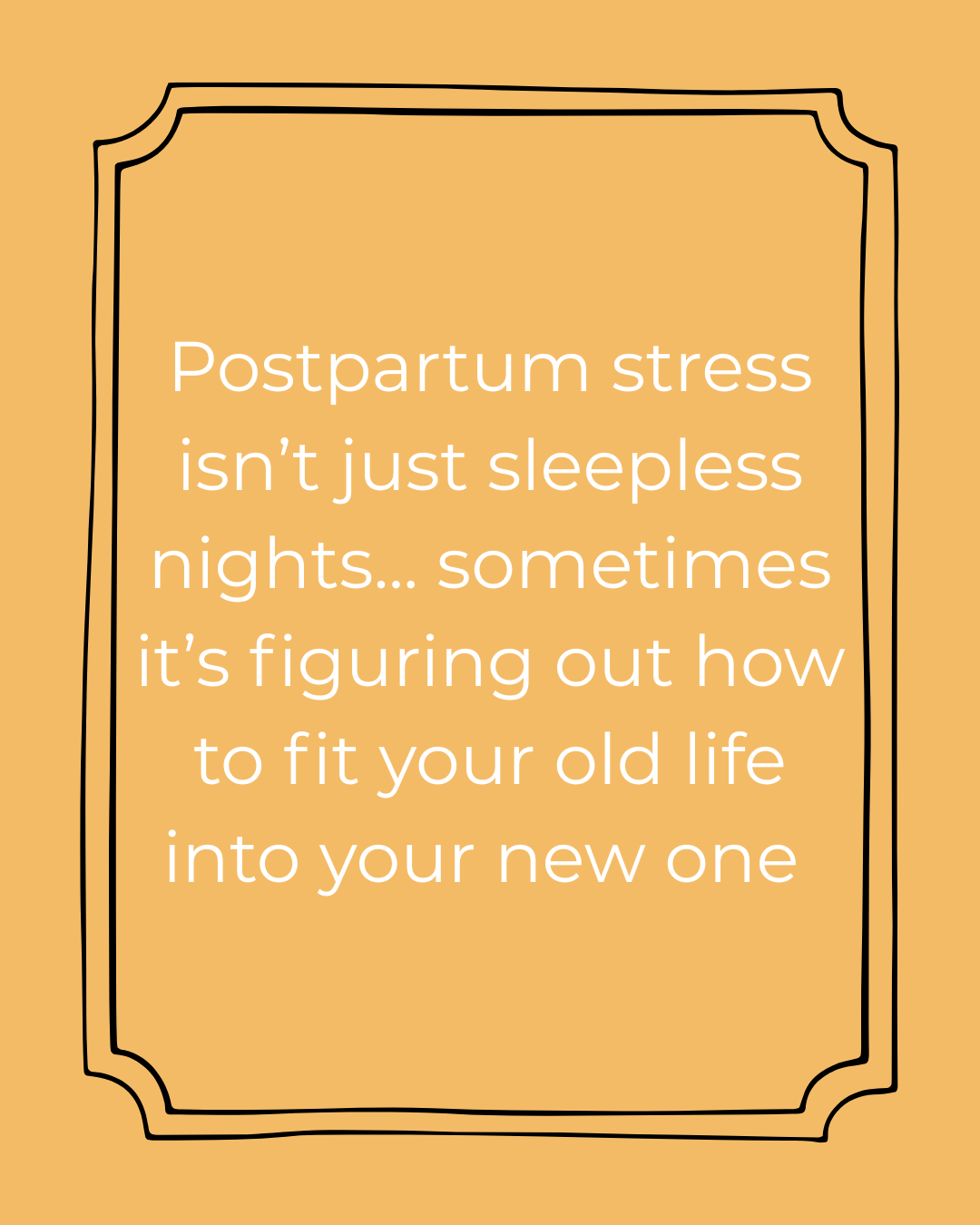
Life After Baby: Coping With Postpartum Stress and Identity Shifts
It goes without saying being a new mom is stressful at times. Before the baby comes, you often have many conversations with people about the new parent exhaustion, the late nights, and the never ending feedings, but It seems a lot of parents aren’t talking about the stress of the transition from your old life to the new one.

Beyond the Chore Chart: Navigating Neurodivergence, Emotional Needs, and Deeper Connection in Relationships
When you're in a relationship with a neurodivergent partner—someone with ADHD, autism, sensory processing differences, or another form of neurodivergence—these dynamics can become even more layered. What looks like avoidance or lack of effort on the surface might actually be executive functioning struggles, emotional regulation challenges, or sensory overwhelm. And what looks like nagging or micro-managing from the other partner might be an attempt to feel less alone or unsupported.

“I Want to Help… But My Brain’s on Fire”: ADHD, Relationships and Pulling Your Weight Without Burning Out
There’s no sugarcoating it—your brain is basically a browser with 172 tabs open, and at least four of them are playing music. You’re thinking about the thing you forgot at the grocery store, that text you didn’t respond to three days ago, the new thing you’re super into this week, and oh look—a squirrel.