

When The Past Keeps Showing Up In The Present
You Are Not Defined By What You've Been Through
Therapy for adults who want to heal from painful experiences,
feel more secure in their relationships, and stop feeling held back by the past.
You know that what you've been through has shaped you. But sometimes you wish it didn't have such a strong influence on how you feel, react, or connect with the people in your life.
Maybe you struggle to trust others, find yourself pulling away when you feel hurt, or experience emotions that seem bigger than the situation in front of you.
You want to feel more secure in yourself and your relationships. You just aren't sure how to get there.
Therapy can help you work through painful experiences, better understand your reactions, and begin creating the changes you've been wanting.
Tell me, does any of this sound familiar?
You want to trust the people in your life, but part of you is always waiting for something to go wrong.
Something someone says or does leaves you feeling hurt or rejected, and your first instinct
is to pull away to protect yourself.You need time alone to sort through your feelings, but when someone takes that distance personally, you end up feeling even more overwhelmed.
A disagreement or unexpected comment can bring up emotions that feel much bigger than the situation itself, and you aren't always sure why.
You sometimes find yourself shutting down when things get emotionally intense, even when there's something you wish you could say.
You know your past experiences have affected you, but understanding that hasn't necessarily made it easier to change how you respond.
And sometimes you wonder why things still feel so hard.
"Why do I react this way?"
"Why can't I just let things go?"
"Why does something that happened so long ago still affect me?"
You may have spent a lot of time trying to make sense of your experiences. But understanding where your reactions come from doesn't always mean you know what to do when those feelings show up.
And that can be exhausting.
Imagine Feeling More At Home In Yourself
Imagine being able to:
Feel more comfortable trusting others without constantly anticipating being hurt.
Recognize when something has stirred up a painful feeling and respond with greater understanding toward yourself.
Take the space you need to process your emotions and communicate that need without feeling guilty.
Stay connected to the people you care about, even when difficult feelings arise.
Feel more confident expressing what you're experiencing rather than shutting down or pulling away.
Understand how your past has shaped you without feeling like it has to determine what happens next.
Imagine having a disagreement with someone you love and feeling more capable of working through it, rather than immediately needing to protect yourself from getting hurt.
Or being able to recognize when something reminds you of a painful experience and having more ways to care for yourself in that moment.
Healing doesn't mean forgetting what happened or becoming someone else.
It's about making sense of your experiences, developing a different relationship with the past, and finding ways to feel more secure and connected in the present.
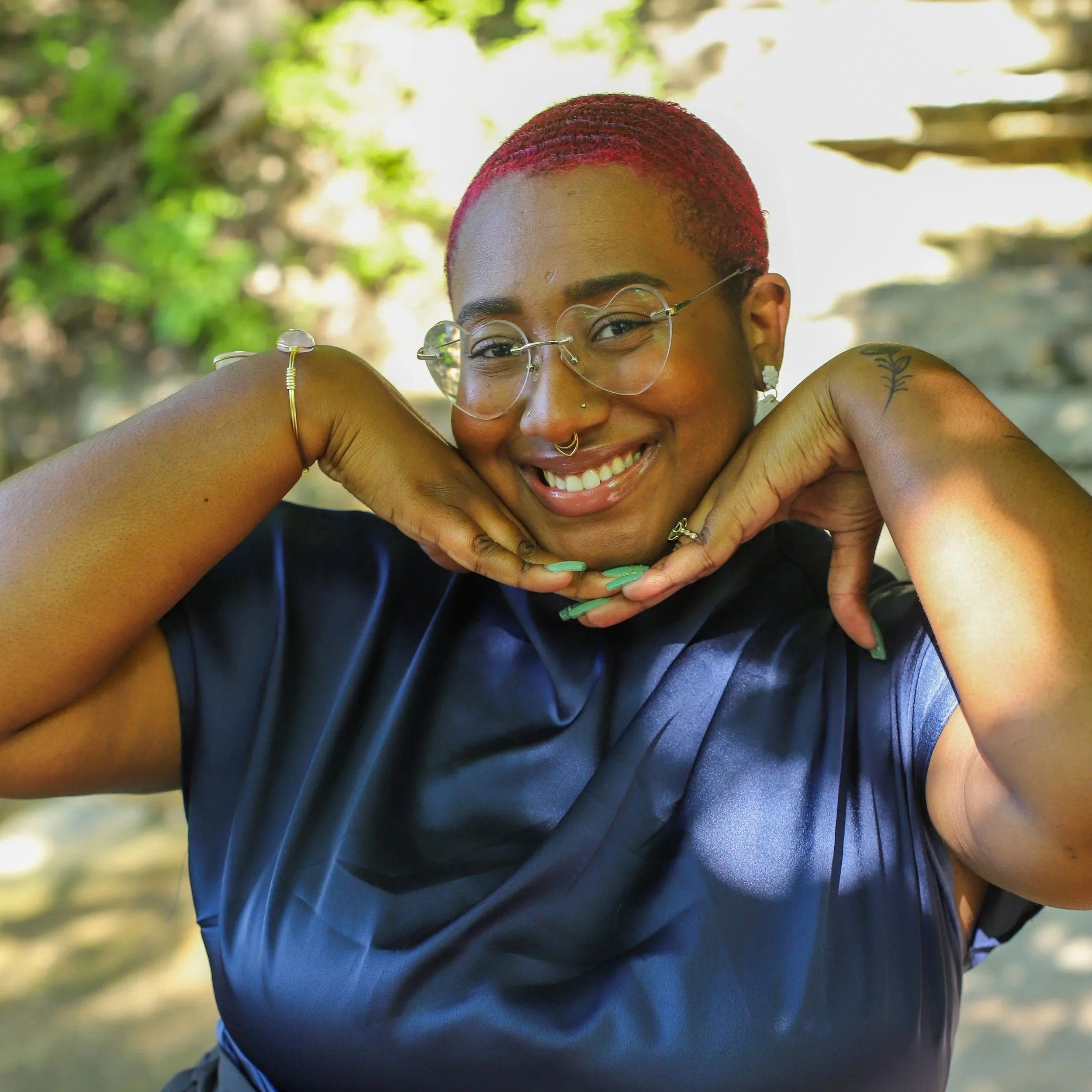
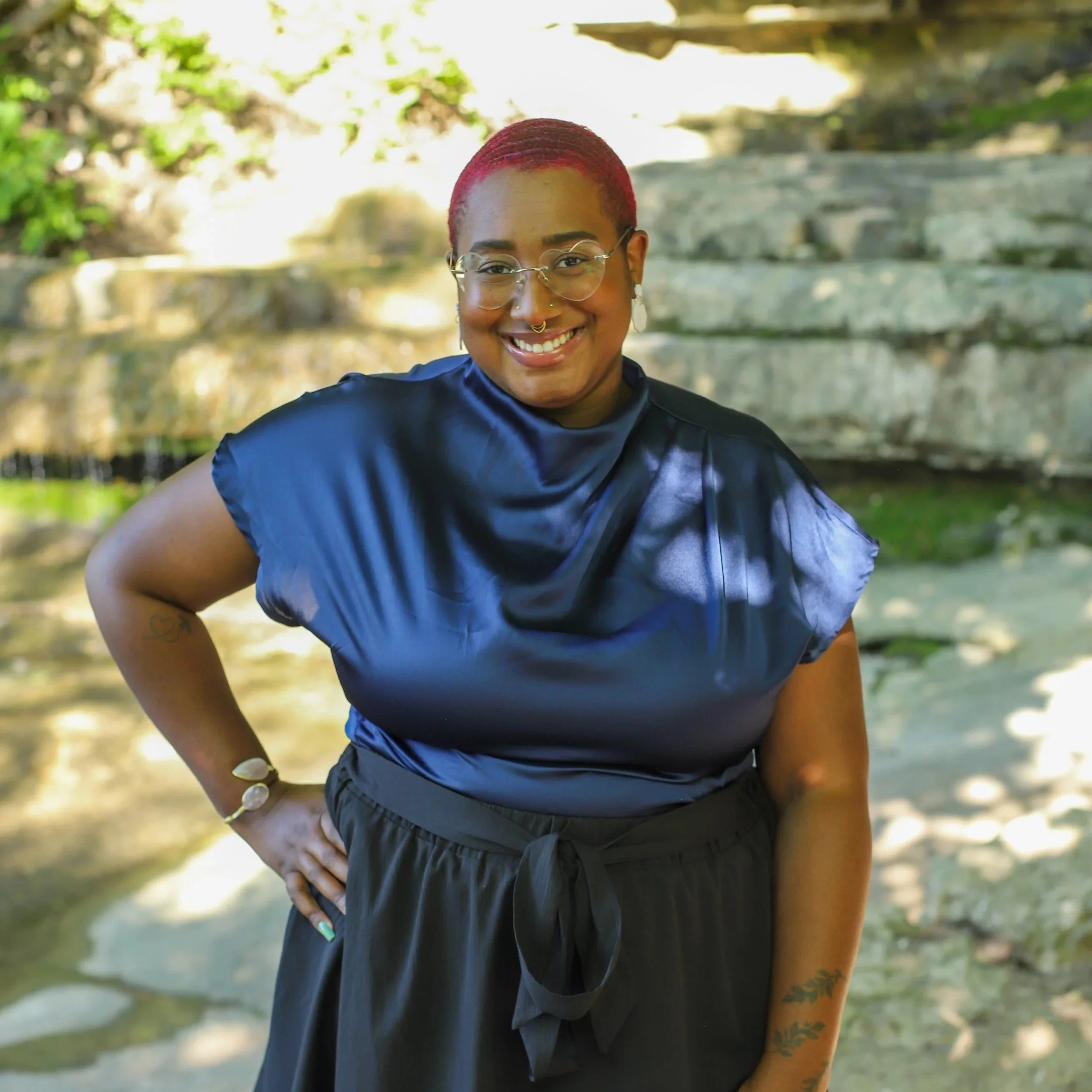
Hi, I'm Courteney.
I help adults navigate trauma recovery, relationship difficulties, and the emotional patterns that can make it hard to feel safe, confident, and connected.
My approach is collaborative and tailored to what you're working through. Whether we're processing painful experiences, exploring relationship challenges, or finding ways to understand and express difficult emotions, we'll work together toward meaningful change.
You deserve the opportunity to feel more at peace with yourself and more secure in your relationships.
Therapy That Meets You Where You Are
There's no single approach that works for everyone.
Your experiences, the challenges you're facing, and what you hope to gain from therapy all help guide our work together.
I draw from Cognitive Processing Therapy, Interpersonal Psychotherapy, and expressive arts to help you process difficult experiences, understand yourself more deeply, and develop new ways of responding to the challenges in your life.
Cognitive Processing Therapy (CPT)
When past trauma continues to affect how you see yourself and the world.
Trauma can change the way you experience safety, trust, and connection.
Maybe you find yourself constantly on guard, struggling with painful memories, blaming yourself for what happened, or holding beliefs about yourself that are difficult to shake.
Cognitive Processing Therapy is a structured, evidence-based treatment for PTSD that helps you examine the thoughts and beliefs that developed around traumatic experiences.
Together, we'll explore how those beliefs may be affecting you today and work toward developing a more balanced understanding of yourself, what happened, and the world around you.
The goal isn't to erase your experiences. It's to help them have less control over how you see yourself and navigate your life.
Interpersonal Psychotherapy (IPT)
When your relationships are a source of hurt, stress, or disconnection.
Relationships can be complicated, especially when past experiences make it difficult to trust others, navigate conflict, or express what you're feeling.
Maybe you pull away when you're hurt, struggle to communicate your needs, or feel disconnected from people you genuinely care about.
You may also be navigating grief, a major life transition, or changes in an important relationship.
Interpersonal Psychotherapy focuses on the connection between your relationships and your emotional well-being.
Together, we'll explore what's happening in your relationships, work on communicating more effectively, and practice new ways of navigating difficult interactions.
That might mean learning how to tell someone you need space without shutting them out, finding ways to address hurt feelings, or developing greater confidence in your relationships.
Expressive Arts in Therapy
When it's hard to put what you're feeling into words.
Sometimes emotions are difficult to explain.
You might know that something has upset you but struggle to identify exactly what you're feeling or why.
Creative expression can offer another way to explore those experiences.
I incorporate approaches such as journaling, poetry, drawing, and imagery to help you process emotions, reflect on experiences, and connect with parts of yourself that may be difficult to express through conversation alone.
You don't have to consider yourself artistic or creative to benefit.
It's not about making something beautiful. It's about finding another way to understand and express what's happening inside.
Knowing Why You Feel This Way Doesn't Always Make It Easier To Change
Maybe you've spent years trying to understand yourself.
You've reflected on your past, read about trauma, or even been in therapy before.
You might recognize why certain situations bring up strong emotions or why your instinct is to withdraw when you feel hurt.
But when those moments actually happen, it's still difficult to respond differently.
And that can leave you feeling frustrated with yourself.
Therapy offers a space to move beyond understanding alone.
Together, we can work through the experiences and beliefs that continue to affect you, explore what happens when difficult emotions arise, and practice new ways of responding.
You don't have to have everything figured out before beginning.
Change Doesn't Have To Happen All At Once
Sometimes progress looks like noticing when you're beginning to shut down and understanding what you need in that moment.
Sometimes it's being able to tell someone, "I'm feeling overwhelmed, and I need a little time before we talk."
Or recognizing that a situation has brought up an old hurt without automatically assuming that the same thing is happening again.
Over time, these moments can become opportunities to feel more grounded in yourself and more connected to the people in your life.
The goal isn't to never feel hurt, overwhelmed, or uncertain again.
It's to develop a greater sense of understanding, confidence, and choice in how you respond.
You might be wondering…
What if I've already tried therapy and still feel stuck?
Understanding your experiences is valuable, but insight doesn't always translate into change right away. We can explore what's making certain patterns difficult to shift and work toward developing new ways of responding.
What if talking about my trauma feels overwhelming?
You don't have to share everything at once. We'll discuss what you're experiencing, what you hope to work on, and which approach may be appropriate for your needs. We'll also talk about what the process involves so you can make informed decisions about your care.
What if I don't know how to explain what I'm feeling?
That's okay. You don't need to arrive with the perfect words. We can begin with what's happening in your life right now and explore your experiences together. When appropriate, expressive arts may offer another way to communicate what feels difficult to say.
What if I'm not sure whether my struggles are related to trauma or relationships?
You don't have to figure that out on your own before reaching out. We can explore what you're experiencing and discuss how therapy might help.
This work may be a good fit if…
You recognize that painful past experiences are affecting your life today.
You struggle to trust others or feel emotionally safe in relationships.
You tend to withdraw or shut down when you feel hurt, rejected, or overwhelmed.
You experience strong emotional reactions that can be difficult to understand or manage.
You're navigating trauma, grief, relationship difficulties, or significant life changes.
You want to understand yourself more deeply and develop healthier ways of connecting with others.
You're open to exploring your experiences and practicing new ways of responding, even when change feels uncomfortable.
You don't have to know exactly what you need from therapy to get started. We can figure out the next steps together.
Your past is part of your story. It doesn't have to define your future.
What you've experienced may have shaped the way you see yourself, respond to difficult emotions, and connect with others.
But those patterns don't have to remain the same forever.
Therapy can offer an opportunity to work through painful experiences, develop a greater sense of security in yourself, and build relationships that feel more connected and fulfilling.
You deserve to feel heard, understood, and supported as you work toward the changes you want to make.
When you're ready, I'd be glad to help you take that next step.